Garbage Disposal Repair & Installation in Dallas-Fort Worth
Jammed, humming, leaking, or completely dead — a broken disposal backs up the whole kitchen sink. Epic Plumbers diagnoses the problem fast and fixes it the same day in most cases across DFW.
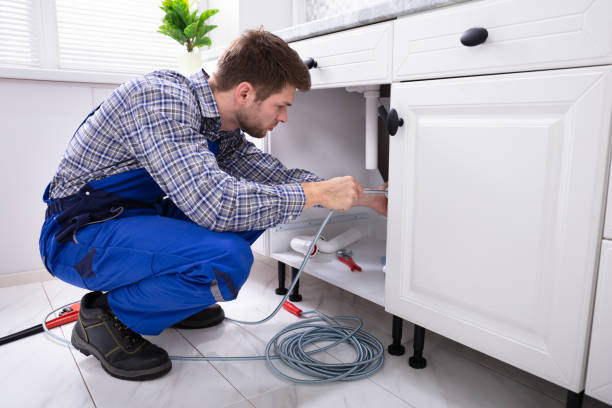
Upfront pricing before work begins.
Garbage Disposal Problems We Fix
Most disposal problems give you warning signs before complete failure. Catching them early usually means a repair instead of a replacement — and a faster, cheaper fix.
- Disposal not turning on at all
- Humming but not spinning — jammed grinding plate
- Water leaking under the sink
- Slow kitchen sink drainage
- Disposal constantly tripping the reset button
- Loud grinding or rattling noises
- Persistent bad odors from the sink
- Kitchen sink backing up repeatedly
A disposal that keeps tripping or jamming is telling you something is wrong — not just with the unit, but possibly with the connected drain line. We inspect both before recommending a fix.
Why Garbage Disposals Stop Working
Most disposal failures trace back to one of four causes — and identifying the right one determines whether the fix is a quick repair or a full replacement.
Jammed grinding plate
The most common disposal problem. A bone, fruit pit, silverware, or piece of hard debris gets lodged under the grinding plate, preventing it from spinning. The motor runs — hence the humming — but cannot overcome the obstruction. Sometimes a manual reset and hex key unjam resolves it. If jamming recurs frequently, there may be a mechanical issue with the unit or an item still lodged inside.
Grease and food buildup
Grease, fibrous vegetables, starchy foods, and coffee grounds gradually coat the interior of the disposal and the connected drain line. This buildup restricts drainage, reduces grinding efficiency, and eventually creates blockages that back up the sink. The disposal itself may work fine — but the drain line behind it is the actual problem. We inspect both to give you the right answer.
Worn motor and internal components
As disposals age, the motor, seals, bearings, and grinding assembly wear down with daily use. An aging unit may still run but loses grinding power over time, struggles with foods it used to handle easily, develops leaks from the body, or trips the overload reset repeatedly. Units past 8 to 10 years with recurring issues are typically better candidates for replacement than continued repair.
Drain line blockage
Sometimes the disposal itself is fine but the kitchen drain it connects to is partially or fully blocked further down the line. Standing water in the sink, slow drainage even when the disposal runs normally, and backups in nearby fixtures all suggest the problem is in the drain — not the unit. Professional inspection separates a disposal problem from a plumbing problem before any parts are ordered or replaced.
Garbage Disposal Repair & Replacement
We carry common disposal units on the truck and can have most repairs or replacements completed same-day. No waiting around for parts to be ordered — we diagnose it, quote it, and fix it in one visit whenever possible.
Modern disposal units offer noticeably better grinding performance, quieter operation, and improved durability compared to units installed 10 or more years ago. If your current unit is on its last legs, replacement often pays for itself quickly in reduced frustration and fewer plumbing calls.
- Jam removal and grinding plate unjamming
- Leak repairs — body, connections, and drain flange
- Kitchen drain line clearing
- Reset and electrical troubleshooting
- Full disposal replacement and new installations
- Drain flange and mounting assembly replacement
How to Keep Your Disposal Running Longer
Most disposal failures are preventable. A few simple habits significantly extend the life of the unit and reduce drain line buildup.
Grease, cooking oil, fibrous vegetables, starchy foods like potato peels, bones, fruit pits, coffee grounds in large amounts, and — obviously — silverware or hard debris.
Always run cold water while using the disposal and for 15 seconds after. Cold water keeps grease solid so it grinds and flushes out rather than coating the drain line.
Grind a handful of ice cubes occasionally to scour the grinding chamber. Baking soda and white vinegar monthly helps control odor-causing buildup without damaging the unit.